Partner Up or Pay Up: The Ugly Truth About Creator Collabs That Nobody's Talking About
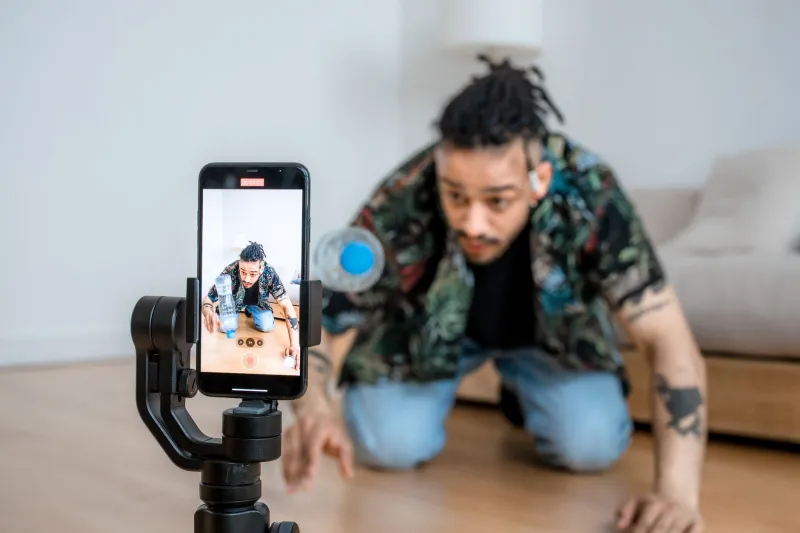
Every few months, a new collab video drops and the internet loses its mind. Two creators, two fanbases, one video — and suddenly both channels are popping off. It looks effortless. It looks like the smartest move in the creator playbook.
Except a lot of the time, it isn't.
Behind the matching thumbnails and perfectly timed cross-promotions, there's a messier reality that most creators won't post about. Failed collabs. Mismatched audiences. Revenue splits that felt fair until they really, really didn't. And in some cases, partnerships that actively tanked a channel's momentum instead of boosting it.
We dug into the stories creators rarely tell publicly — and what we found might make you think twice before sliding into someone's DMs with a collab pitch.
The "Bigger Partner" Myth
Here's a trap a lot of smaller creators fall into: the assumption that partnering with someone who has a larger following is automatically a win. More eyes on your content, right? More subscribers flowing your way?
Not always.
Jamila R., a DIY home décor creator based in Atlanta with around 85,000 YouTube subscribers, learned this the hard way after collaborating with a lifestyle influencer who had nearly 600,000 followers. "I thought it was going to be huge for me," she told us. "But her audience wasn't into home projects at all. They were there for fashion hauls and travel vlogs. I got maybe 200 new subscribers out of it, and half of them unsubscribed within a week."
The content mismatch didn't just waste her time — it confused her existing audience, too. Her next few videos saw noticeably lower engagement, something she attributes partly to the algorithm getting mixed signals about what her channel actually was.
Audience alignment isn't just a nice-to-have. It's basically the whole ballgame.
When the Contract Talk Gets Weird
Most creator collabs — especially at the mid-tier level — happen on a handshake basis. No paperwork, no formal agreements, just a shared Google Doc and a vibe. That works fine until it doesn't.
Marcus T., a gaming and tech commentary creator from Chicago, describes a collaboration that started as a genuine friendship and ended in a months-long cold war over ad revenue. "We did a five-part series together. It was a lot of work. When it started performing really well, the conversation about how to split the money got awkward fast," he said. "Neither of us had thought to write anything down beforehand."
What followed was a drawn-out back-and-forth that soured the friendship and left both channels in an uncomfortable limbo — neither willing to promote the series anymore, even though it was still pulling views.
Industry observers who work with mid-level creators say this scenario is more common than people think. The informal nature of creator culture makes it easy to skip the boring legal stuff, but that informality has a cost. At minimum, creators should agree in writing on: who owns the final content, how any revenue gets divided, what happens if one party wants to delete or repurpose the video, and whether either creator is locked out of working with similar partners for a set period.
Yes, it feels overly formal for what might just be a YouTube video. Do it anyway.
The Brand Reputation Bleed
Then there's the scenario that keeps a lot of established creators up at night: a collab partner whose reputation takes a hit after the video goes live.
It doesn't have to be a full-blown controversy. Sometimes it's subtler — a partner who makes an off-color comment in another video, or whose general vibe starts to drift in a direction that conflicts with your brand. Once your face is in their content, you're associated with whatever they do next.
Sophia M., a wellness and mindfulness creator who asked us to use only her first name, described pulling a collaboration video down after her partner began promoting a supplement brand that drew significant criticism from health professionals. "My whole channel is about evidence-based wellness. I couldn't have that association sitting there," she said. "But taking the video down created its own drama. People noticed."
The lesson here isn't to never collaborate with anyone. It's to treat a collab partner the way you'd treat a business partner — because that's literally what they are. Vet their content history. Look at their comment sections. Notice what brands they're already working with. And have a quiet conversation about values before you ever hit record.
Red Flags Worth Paying Attention To
Creators who've navigated both successful and unsuccessful partnerships tend to describe similar warning signs in retrospect. Here are a few that come up repeatedly:
They're way more excited about your audience than your content. If a potential partner's pitch is mostly about reaching your subscribers rather than genuinely creating something together, that's a signal about their priorities.
Vague answers about their metrics. Inflated subscriber counts and low engagement ratios are a real thing. Ask to see actual engagement rates, not just follower numbers.
Rushing the timeline. Creators who push hard to get something out fast, before you've had time to think through the details, often have reasons for the urgency that aren't in your interest.
No interest in a written agreement. This one's simple. If someone gets weird about putting terms in writing, that weirdness is information.
What Actually Makes a Collab Work
For all the cautionary tales, collabs done right are genuinely powerful. The creators who consistently benefit from partnerships tend to approach them with a few shared principles.
First, they prioritize audience fit over follower count. A creator with 30,000 deeply engaged subscribers in your exact niche is worth more to you than someone with 500,000 followers who mostly watch for a completely different reason.
Second, they treat the collaboration as a creative project first and a growth strategy second. The best collab content tends to come from creators who actually wanted to make something together — not from creators who saw each other as distribution channels.
And third, they communicate obsessively. About expectations, timelines, creative direction, and yes, money. The awkward conversations upfront are almost always less painful than the awkward conversations after.
Collabs aren't a cheat code. But approached thoughtfully, they can absolutely be one of the most genuine ways to grow — for both people involved.