Lightning in a Bottle: The Accidental Viral Moments That Changed Ordinary Creators Forever

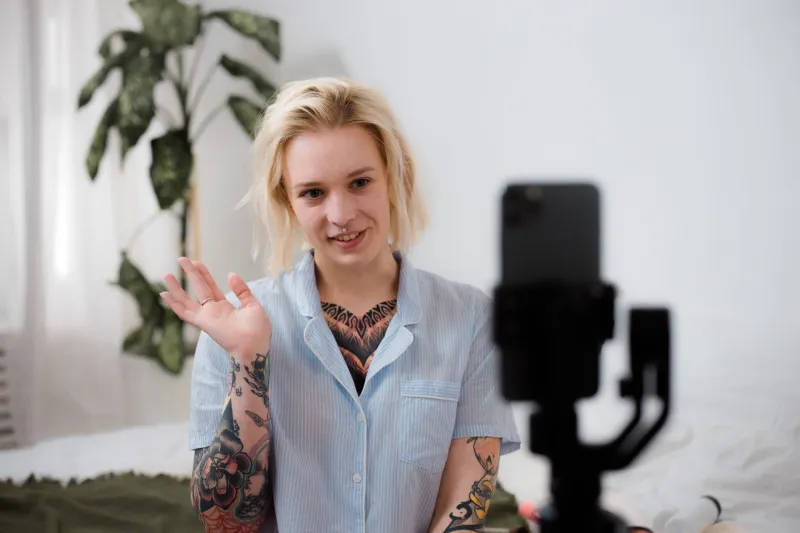
Photo by Photo by Vitaly Gariev on Unsplash on Unsplash
Every creator has a theory about going viral. Post at the right time. Use trending audio. Hook them in the first three seconds. And sure, those things can help. But some of the most genuinely transformative viral moments in recent creator history had nothing to do with any of that — and everything to do with a stumble, a slip, or a split-second decision to just say the thing.
So what actually separates the viral moments that stick from the ones that fade by Tuesday? Let's get into it.
The Authenticity Accident
One of the most consistent patterns in unexpected viral breakthroughs is what you might call the authenticity accident — a moment where a creator abandons the script, either by accident or out of pure frustration, and the result resonates in a way their polished content never could.
Think about how many creator origin stories start with some version of: "I almost didn't post that one." The video where they cried. The rant they filmed at midnight when they were too tired to care. The offhand comment they threw in as a joke that turned out to be the most relatable thing they'd ever said.
These moments work because they're unguarded. Audiences have a finely tuned radar for performance, and when that performance drops — even for a second — something shifts. People stop scrolling. They watch again. They send it to their friends with a "this is literally me" caption.
The creators who capitalize on these accidents are the ones who recognize what happened and lean into it. Instead of retreating back to the safe version of themselves, they use the viral moment as permission to be more real going forward.
The Format Experiment That Broke the Mold
Sometimes virality comes not from what a creator says, but from how they choose to say it. A format experiment — trying a completely different style, length, structure, or delivery than usual — can catch an algorithm (and an audience) completely off guard.
Creators who've spent years making 15-minute deep-dives suddenly try a 45-second version. A serious news commentator tries doing their take as a comedy bit. A lifestyle vlogger drops the aesthetic shots and just films themselves talking to the camera in their car. These pivots feel jarring from the inside, but from the outside? They often read as refreshing.
The psychology here is interesting. When a creator breaks from their established pattern, it signals to longtime viewers that something different is happening — and that novelty triggers engagement. New viewers, meanwhile, encounter the content without the baggage of expectation and often find it more accessible than the creator's "normal" output.
The trap, of course, is trying to manufacture that feeling. Creators who engineer a "spontaneous" format shift because they think it'll go viral rarely pull it off. The audience can tell when the experiment is strategic versus when it's genuine curiosity.
The Controversial Take Nobody Expected
This one's a double-edged sword, but it belongs in the conversation. Some creators have had their biggest breakthrough moments by saying something that their audience — or the broader internet — didn't expect them to say.
Not manufactured controversy. Not rage-bait. But a genuine, considered opinion that cuts against the grain of what everyone in their niche was already saying. The food creator who pushed back on the obsession with aesthetically perfect meals. The fitness influencer who admitted that most supplements are a waste of money. The tech reviewer who said the hyped gadget was just... fine.
These moments spread because they feel brave. In a media landscape full of people hedging and qualifying everything to avoid backlash, someone just saying what they think — calmly, clearly, without performing outrage — is genuinely disarming.
The creators who navigate this well tend to have a few things in common: they're not trying to start a fight, they're willing to engage thoughtfully with pushback, and they don't make controversy a personality trait. It's a one-time truth-telling moment, not a content strategy.
Can Lightning Strike Twice?
Here's the question everyone actually wants answered: if you catch lightning once, can you catch it again?
Honestly? Sometimes. But not in the way most creators expect.
The creators who successfully build on a viral moment aren't trying to recreate it beat-for-beat. They're using it as a signal — a data point about what their audience actually wants from them versus what they've been giving. The viral moment becomes a compass, not a script.
The creators who crash after going viral are usually the ones who treat it like a formula. They reverse-engineer what they think made the video work, then produce a technically similar version that lands completely flat. Because the thing that made the original work wasn't the format or the timing — it was the genuine, unguarded quality of the moment. And you can't manufacture that.
What Separates the Ones Who Last
After looking at enough of these stories, a pattern emerges. The creators who turn a viral moment into an actual career shift share a few traits:
They move fast. When something takes off, they capitalize on the attention quickly — not by posting more of the same thing, but by showing new viewers who they actually are.
They don't overthink it. The worst thing a creator can do after going viral is freeze up from the pressure to repeat it. The best creators just keep making stuff and trust that the audience they just found will stick around if they stay consistent.
They treat the moment as an introduction, not a destination. The viral video isn't the goal — it's the handshake. What happens in the weeks after is what actually determines whether a new audience stays.
Lightning is unpredictable. But the creators who've been struck and lived to tell about it will tell you this: it usually hits when you're not holding an umbrella.